3 MIN READ
"Vibe Coding": The End of Software Development as We Know It
 Drew Dolan
March 14, 2026
Drew Dolan
March 14, 2026


5 MIN READ
July 25, 2026
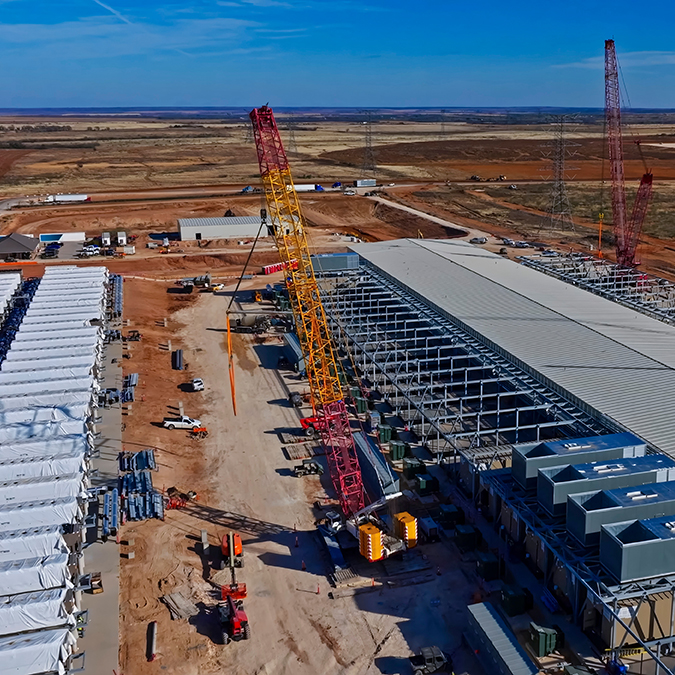
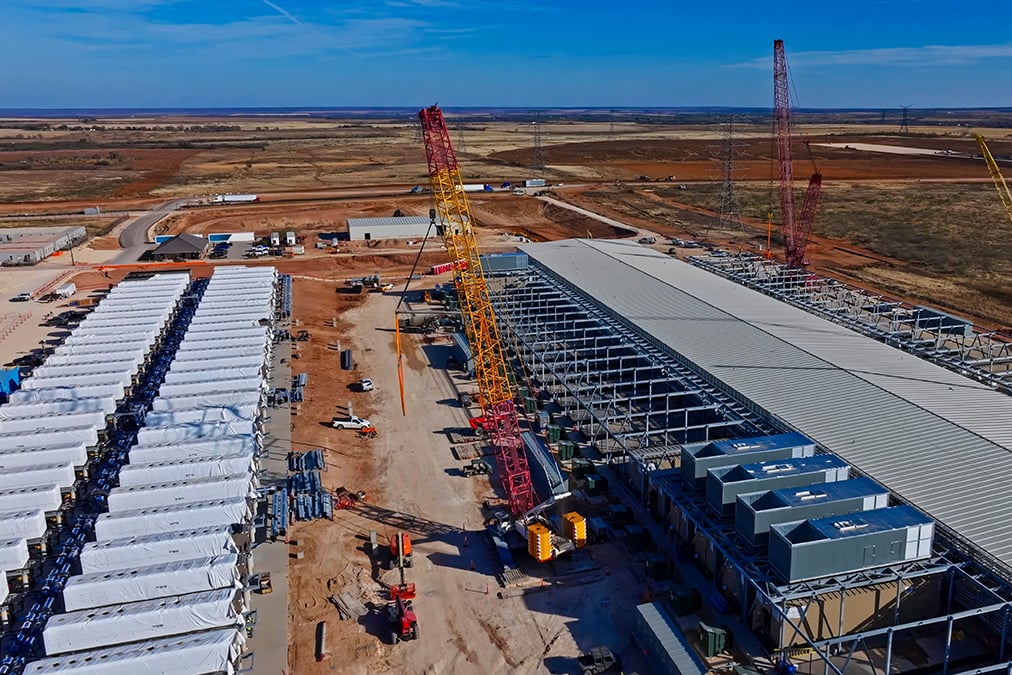 North America could see $1 trillion worth of new construction of data centers between 2025 and 2030, according to predictions. Photo: Adobe Stock Imagery
Moratoriums on new data center construction by local cities and counties are becoming increasingly common. States like New Mexico are even considering statewide bans. Currently, fifteen states have either enacted or proposed moratoriums, driven by similar concerns across the US: excessive water consumption and the impact of rising electricity costs. Additionally, the economic impact of data centers has raised concerns for municipalities. Few permanent jobs are created, and tax revenues are often minimal. States are competing aggressively for this new construction, offering incentive packages that frequently include 20+ years of little to no real estate taxes, leading to a race to the bottom.
Among the five largest data center operators, Amazon, Microsoft, Google, Meta, and Oracle, the combined capital budget for 2026 is approximately $800 billion, and projections suggest it could reach $1 trillion in 2027. This figure includes not just construction but also land acquisition, hardware, and upgrades to electrical grids. Essentially, all costs tied to delivering a data center.
In May 2026, I discussed the growing impact of data centers on electricity costs in Progress Has a Power Bill. A key takeaway from that blog was the prediction that power costs could rise by 4%–8% annually over the next decade. This increase poses significant challenges, particularly for homeowners who are already struggling to manage mortgage payments and household expenses.
As stated in the WSJ article, The AI Boom Is Opening Up Commercial Real-Estate Investing to New Risks, data centers are undoubtedly the standout asset class in today’s real estate market. This may partly be a result of other sectors like multifamily, office, industrial, and self-storage recovering from the peaks of 2021–2022, which led to lower valuations between 2023 and 2025 as interest rates surged. Data center construction has already surpassed, or is on track to surpass, spending on new office construction. While data centers have existed for decades, they have only recently attracted this level of attention and capital. This shift has prompted many institutional investors and family offices to reduce allocation from traditional real estate sectors and allocate more money to data center real estate. CBRE conducted a study of 92 large real estate investors, and 95% planned to increase their investment in data centers.
As real estate investors, we understand the cyclical nature of supply and demand in our industry. Markets briefly hit equilibrium during these cycles, only to quickly swing back to either shortage or oversupply. AI has changed everything. I wouldn’t even speculate where we are in the demand cycle. There is no consensus because we have never been in this situation before. Timing is everything. Those who invested when data centers weren’t hot are now reaping rewards they couldn’t have imagined. Meanwhile, those entering in the later stages of the cycle may find themselves vulnerable when overbuilding inevitably occurs.
And it will occur.
Perhaps moratoriums, rising infrastructure costs, inadequate electrical grids and limited hardware availability will help curb the excess, but it’s unlikely. Americans tend to live by the mantra, “If it’s worth doing, it’s worth overdoing.”
LOAD MORE
2 MIN READ
Drew Dolan
February 21, 2024