
4 MIN READ
The Roll Up: DXD Capital opens Public Storage-branded store in Miami metro
 DXD Capital
May 29, 2024
DXD Capital
May 29, 2024
- Self Storage Industry


5 MIN READ
May 16, 2026
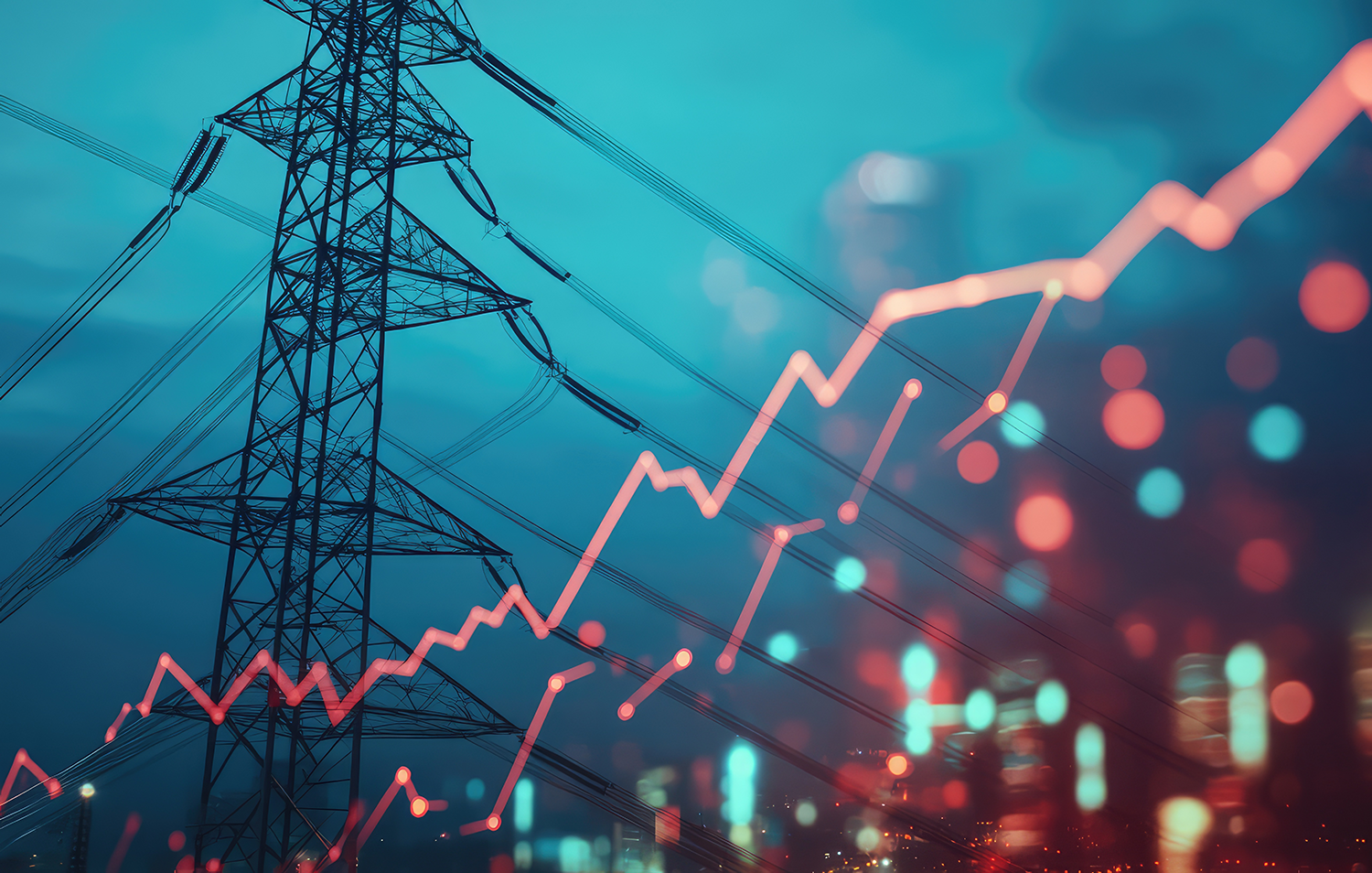
Adobe Stock Imagery
AI, chips, and data center developments are dominating the conversations in the world of investments. Few can keep up as the landscape seemingly evolves at light speed. There are always unintended consequences when something grows this fast, and the real-world impact on electrical cost hit home for me this week. We’re currently exploring the installation of solar on several self storage projects, which are well-suited given their electrical load profiles and ample roof space. For solar, we’re evaluating it as a 25-year investment, whereas for self storage we typically focus on four- to seven-year timeframes. Adjusting to this longer investment horizon has been a shift in perspective.
One of the key factors in the pro forma is the escalation in electricity costs driven by AI technology. The law of compounding plays a huge role, especially when you look at 25 years. Unlike real estate, solar has no residual value after 25 years, at the end of its useful life. The return needs to come over 25 years, not at the sale event, as with real estate.
Uncertain about the electrical escalation percentage to use, I consulted our solar installer. His advice was that if I wanted to be super conservative, I should underwrite 4% annual increases over the entire 25-year period. Surprised that 4% was considered conservative, I asked for his base case, which he said was 7%. He also suggested that underwriting above 7% wasn’t unreasonable, though he cautioned against basing an investment decision on projections that require escalations above 7% to pencil.
Curious, I asked ChatGPT about a market like DC/Northern Virginia, where we’re working on a self storage development.
ChatGPT responded:

What happens to consumers and businesses if electricity costs rise by 8% annually, or even 6%? It would drive buildings to become more energy efficient and accelerate the adoption of alternative energy sources like solar and wind. However, it would also create significant challenges for the data center industry, which will be the poster children for driving up electricity rates. Frankly, they are partly responsible, along with decades of underinvestment in our electrical grid and in the electrification of everything from lawnmowers to cars. No one’s going to protest deferred electrical grid maintenance or electric scooters like they will data centers.
Lower-income Americans, who are disproportionately affected by the substantial annual increases, are likely not using tools like ChatGPT or Claude. While they may indirectly benefit from AI advancements, higher-income groups will experience more direct daily benefits. This, along with a general distrust of AI is going to create a problem.
This will be compounded by the potential of a water crisis linked to the enormous water usage required to cool the heat generated by data centers.
My youngest daughter is one of the skeptics about AI. She heard somewhere that each ChatGPT query uses a tablespoon of water to cool a data center, which she feels we just can’t afford living in the desert.
When I asked her, “How much water is used when you leave your bedroom light on all day?“ she didn’t have much of a response.
LOAD MORE
4 MIN READ
DXD Capital
May 29, 2024
4 MIN READ
DXD Capital
February 06, 2024
1 MIN READ
DXD Capital
May 20, 2024