4 MIN READ
Innovative Self Storage Design: Maximizing Grade Variation
 Drew Dolan
Mar 6, 2024, 6:15:00 PM
Drew Dolan
Mar 6, 2024, 6:15:00 PM


3 MIN READ
Jan 3, 2026, 7:00:00 AM
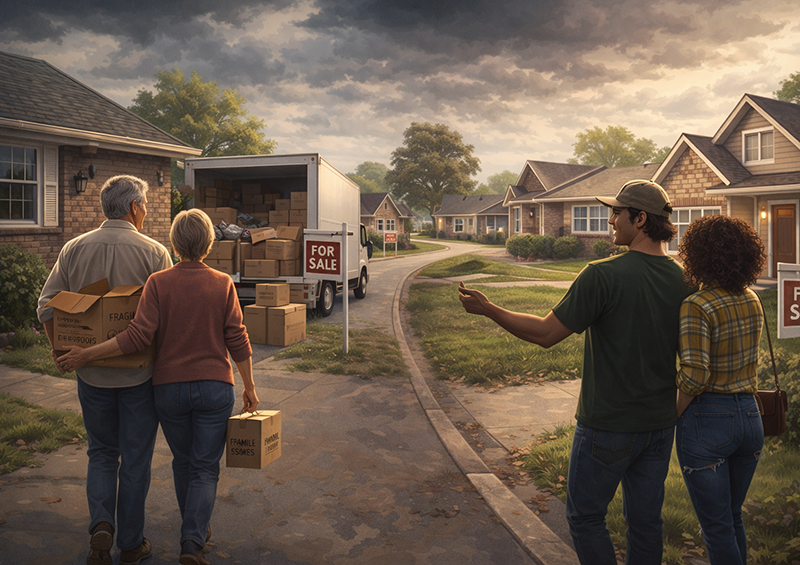
Recently, there hasn’t been much good news regarding the single-family home affordability crisis. Millennials and Gen Z have been hit hardest, resulting in the average first-time homebuyer now being 40 years old. Among American renters aged 45 and younger, 40% believe they may never be able to afford a home.
A significant "grey swan" event becomes increasingly plausible each year. Unlike "black swan" events, which are rare and unpredictable, a grey swan is a foreseeable event with potentially massive and disruptive impacts that people often underestimate.
This event involves Baby Boomers downsizing, moving into senior living, or passing away, leading to a large number of single-family homes becoming available for purchase.
“Between 13.1 million and 14.6 million Boomers are projected to exit homeownership between 2026 and 2035, sparking concern in the housing industry that such a surge in inventory could trigger a price collapse,” — Berkshire Hathaway HomeServices.
Exits of Elderly Homeowners Projected to Increase Sharply
Over the Next Two Decades
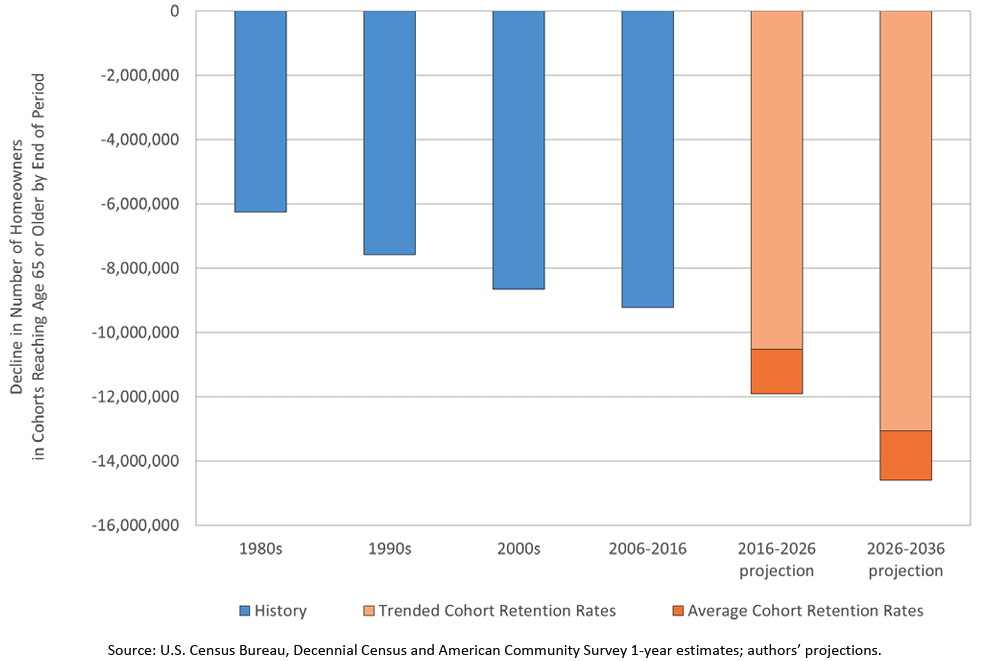
In the U.S., peak homeownership occurs between ages 70-74, with rates reaching 80.9%. Baby Boomers currently range in age from 61 to 79. There are 70 million Baby Boomers in this age group, coincidentally matched by 70 million Gen Z individuals aged 13-28. The youngest Boomers are nearing the peak of homeownership, with rates expected to decline as they age, while Gen Z is just beginning to enter the housing market as first-time buyers.
The potential for a widespread price collapse seems unlikely at a macro level. However, localized price drops in areas where Gen Z does not want to live are possible.
Will suburban areas remain as appealing to younger generations as they were to Baby Boomers?
Schools are the top factor influencing where young people choose to buy homes. As Baby Boomers age, they are less concerned about school quality, which could lead to a decline in school or district performance if the local population places less emphasis on education.
Remote work has already driven, and will continue to drive, a significant shift in where Gen Z and Baby Boomers choose to live.
While it’s difficult to predict the full impact of these shifting dynamics, it’s likely we will see more grey swans in the housing market.
And perhaps even a black swan.
LOAD MORE
4 MIN READ
Drew Dolan
Mar 6, 2024, 6:15:00 PM
6 MIN READ
 Cory Sylvester
Sep 2, 2023, 9:17:00 AM
Cory Sylvester
Sep 2, 2023, 9:17:00 AM
4 MIN READ
Drew Dolan
Sep 27, 2025, 9:00:00 AM