4 MIN READ
Self Storage Market Update: Notes from the 2023 SSA Conference
 Cory Sylvester
Sep 10, 2023, 9:40:00 AM
Cory Sylvester
Sep 10, 2023, 9:40:00 AM


3 MIN READ
Aug 29, 2026, 7:00:00 AM
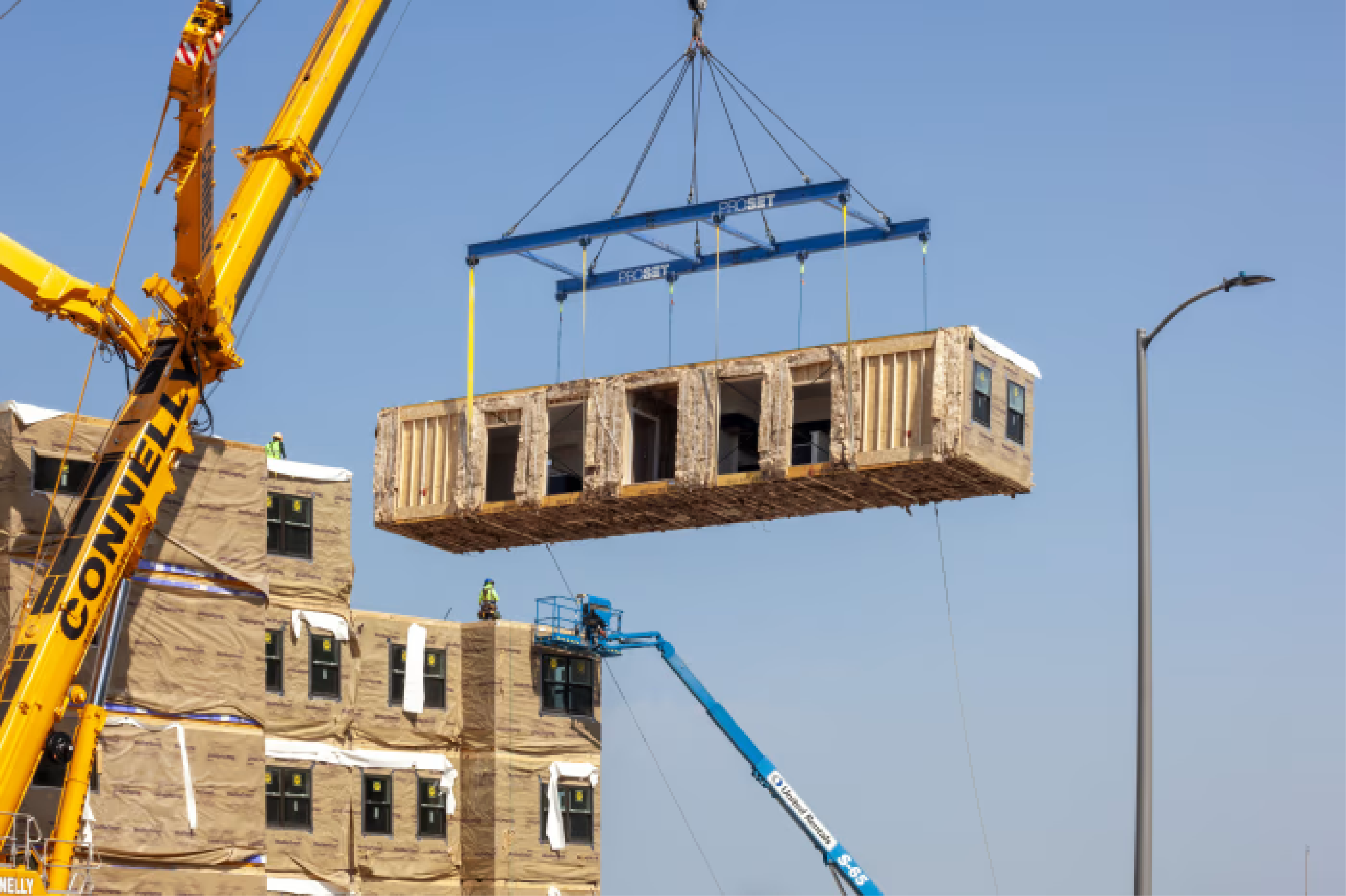
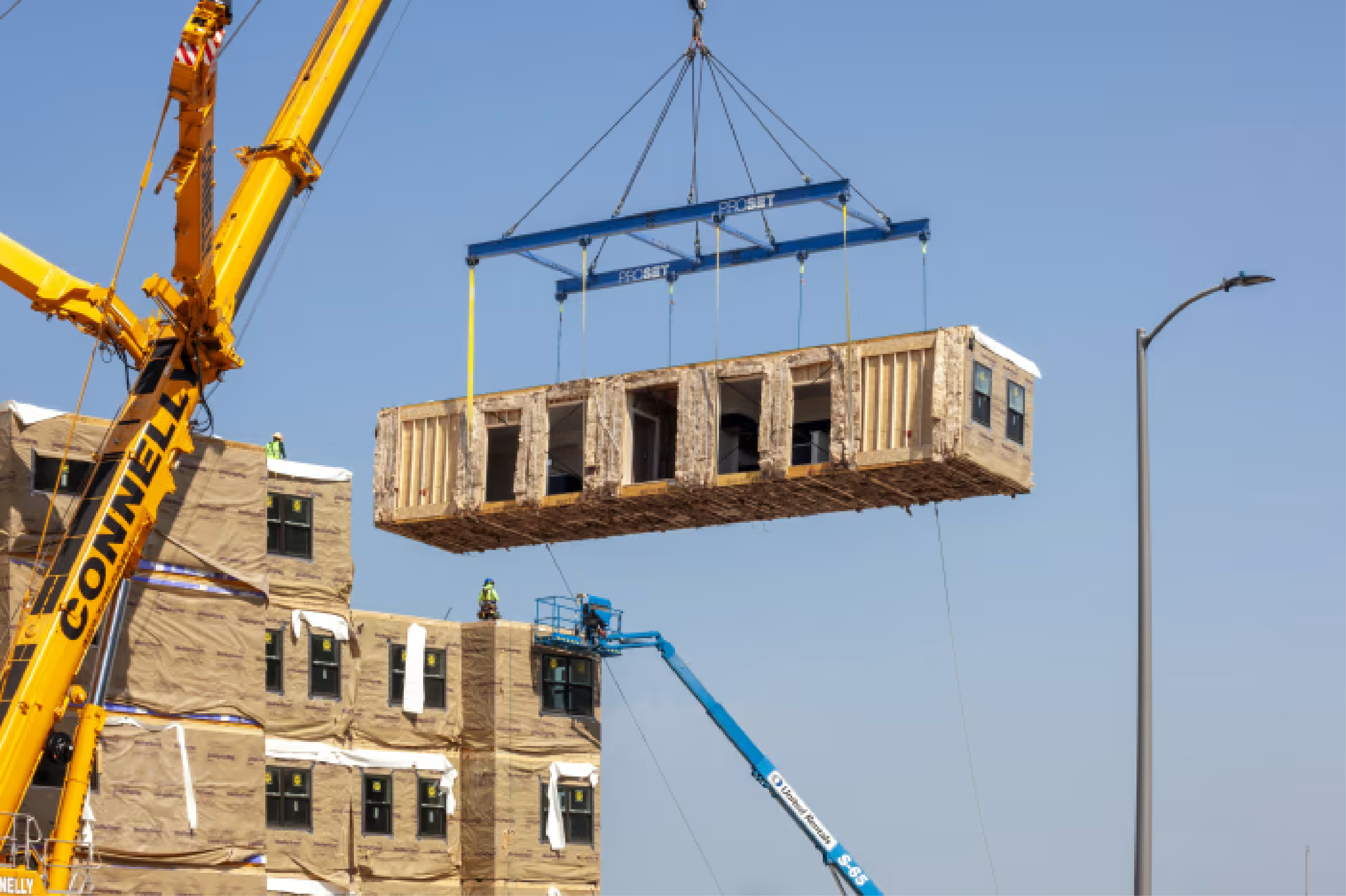
Modular homes are built at a factory and assembled on site. Jim West/Zuma Press
Is modular construction the answer to home affordability in the US?
Possibly. It's difficult to determine modular construction's potential impact on the housing industry because, beyond a few builds, it hasn't been widely adopted. One reason for this is that local construction regulations have prevented a streamlined rollout across the country. In other countries with a unified construction code, modular construction has gained traction because the rules are consistent no matter where you build. The US, however, is different. States have their own regulations, and cities within those states often have additional rules.
For modular home construction to truly gain momentum, a national building standard for modular construction would be required, with adaptations for climate and seismic conditions. But building codes are only one obstacle. Other challenges are equally significant:
Will homebuyers purchase modular homes, or do they perceive them as lower quality or have a lower resell value?
Will insurance companies cover them the same way as site-built homes?
Will banks offer traditional mortgage products for modular homes?
These are major challenges that won't be easily overcome. However, as the affordability crisis worsens and the quality of modular homes improves, these barriers are likely to be addressed.
One asset class where the day of modular construction has arrived is self storage. While building self-storage units is much simpler than constructing homes, modular solutions are viable today—especially in high-cost markets where skilled labor is scarce.
After touring Janus' relocatable storage units, I'm confident that the average renter of outdoor, non-climate-controlled storage wouldn't notice or care about the difference. As long as the units remain dry and keep out dust, which isn't always the case with traditional site-built units, their purpose is served.
This isn't a revolution in self-storage, but it's certainly an evolution. The concept of modular self-storage isn't new; the industry began by repurposing shipping containers for storage decades ago. Modular units aren't suitable for every project. They offer less flexibility in configuration and customization than site-built storage. However, in regions where labor and material costs are exceptionally high—such as Hawaii—modular storage could be the difference between a project that pencils and one that does not.
Oh, by the way, modular self-storage, classified as equipment rather than permanent real estate improvements, typically qualifies for bonus depreciation, allowing owners to write off 100% of the costs in the first year.
LOAD MORE
4 MIN READ
Cory Sylvester
Sep 10, 2023, 9:40:00 AM
4 MIN READ
 Drew Dolan
Jul 13, 2023, 11:52:17 AM
Drew Dolan
Jul 13, 2023, 11:52:17 AM
4 MIN READ
Drew Dolan
Sep 27, 2025, 9:00:00 AM