3 MIN READ
What's going on with storage demand?
 Cory Sylvester
Oct 13, 2023, 3:59:51 PM
Cory Sylvester
Oct 13, 2023, 3:59:51 PM


3 MIN READ
Aug 22, 2026, 7:00:00 AM
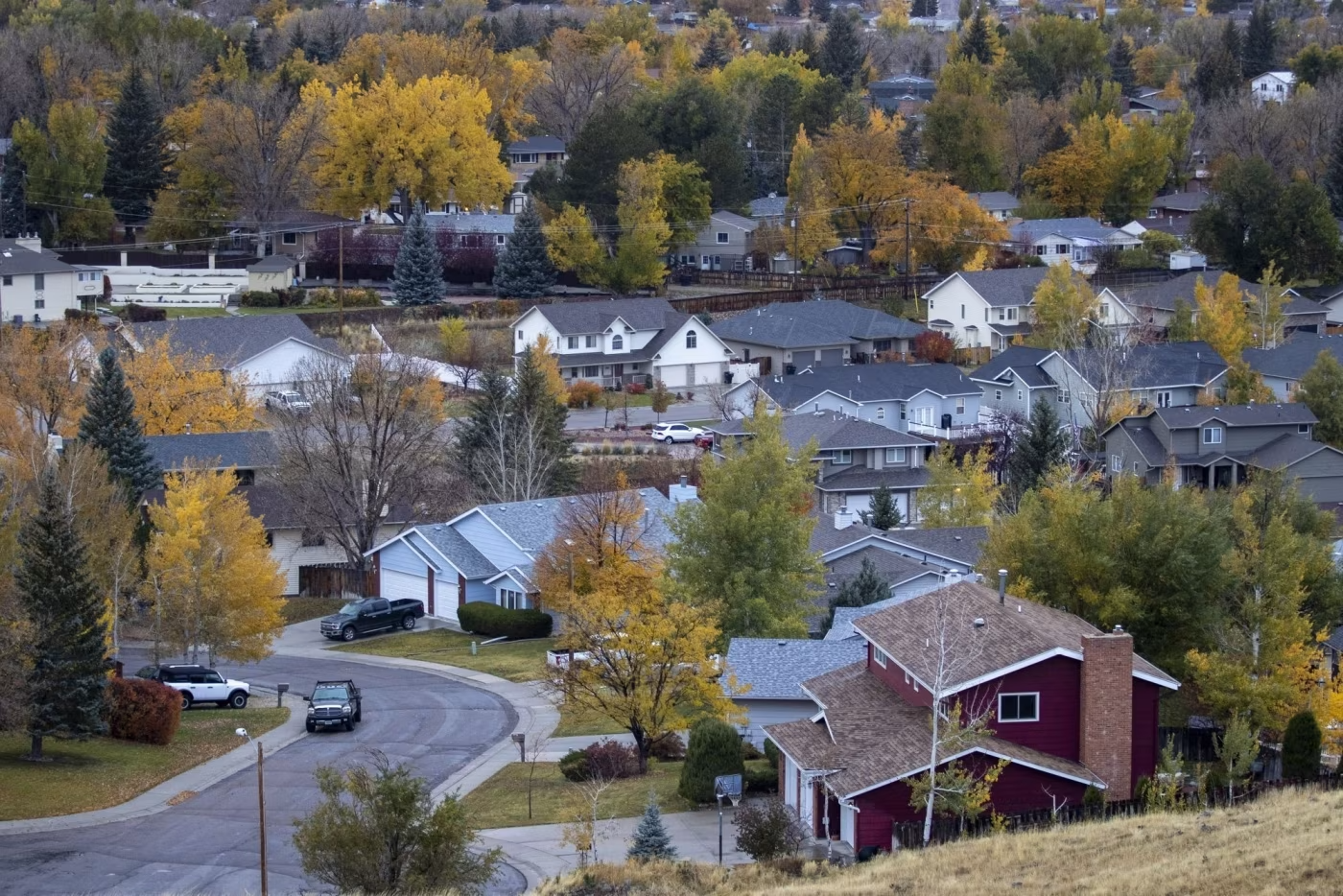
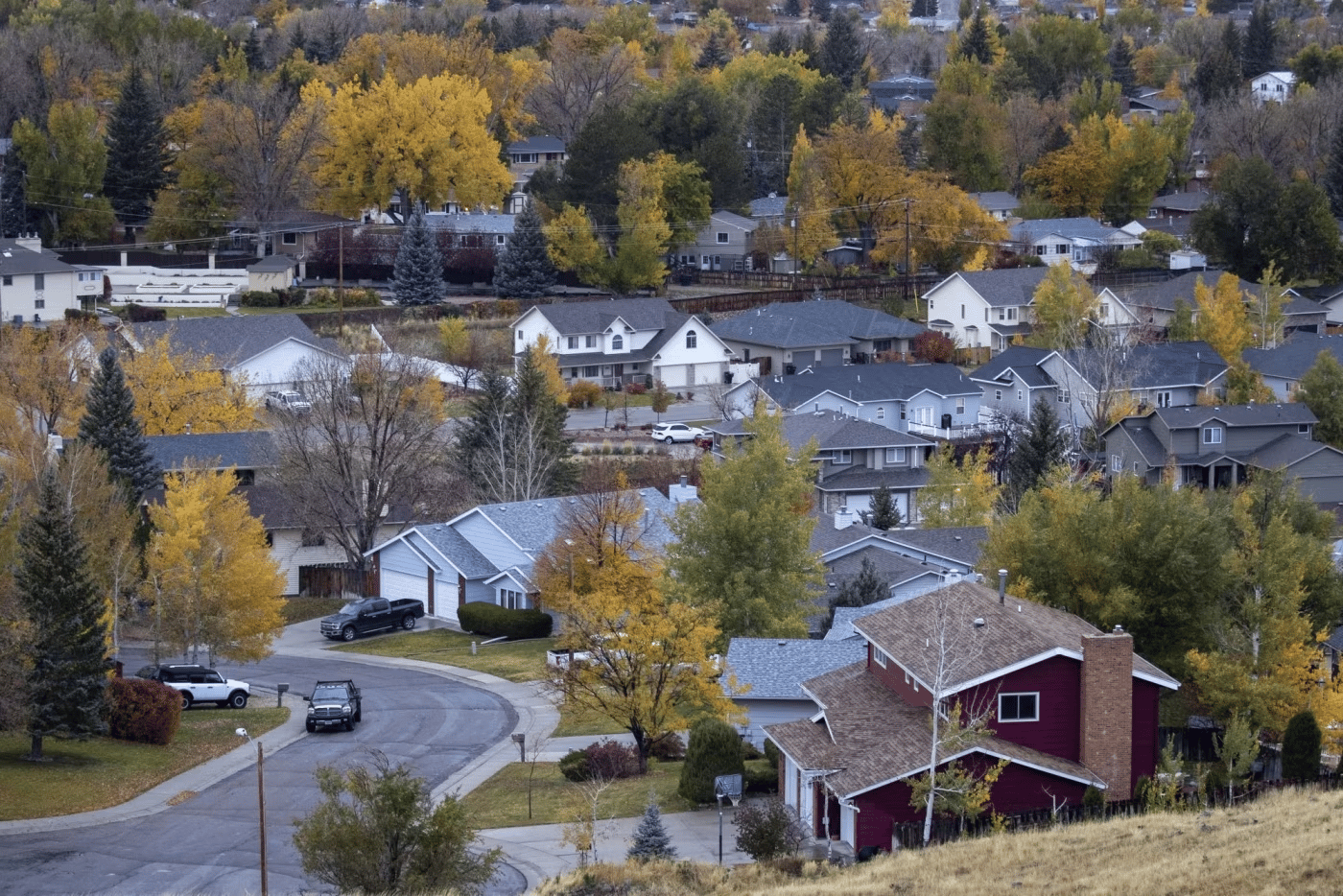
A ballot measure in Wyoming would let voters exempt 50% of their home values from property taxes. Natalie Behring/Bloomberg News
I used to think taxes only went up, but then I came across this article about states reducing real estate taxes as residents get more and more vocal about the soaring costs of housing. According to Zillow, the average price of a single-family home has increased by 52% since 2019. Since 2016, residential property taxes have risen by 34% while homeowners insurance has surged by over 60%.
Although the rise in property taxes hasn’t matched the increases in home prices, rent, insurance, electricity costs, and more, Americans’ general aversion to higher taxes keeps the issue in the spotlight.
What didn’t surprise me was that states are actively cutting real estate taxes. Oklahoma, Wyoming, Florida, and 10 others have recently passed or are working on initiatives to reduce real estate taxes. As examples:
Interestingly, these same states are prioritizing economic development and successfully attracting new businesses and jobs. The property tax reductions aim to help middle-class Americans, who are hit hardest by the rising cost of single-family housing.
Meanwhile, states like California and Washington are taking an opposite approach. More of a Robin Hood strategy.
Two very different approaches. One incentivizes the middle class to stay; the other incentivizes the upper class to leave.
LOAD MORE
7 MIN READ
 Drew Dolan
Sep 22, 2025, 9:35:54 AM
Drew Dolan
Sep 22, 2025, 9:35:54 AM
6 MIN READ
 DXD Capital
May 5, 2025, 7:51:33 AM
DXD Capital
May 5, 2025, 7:51:33 AM