4 MIN READ
The 50-Year Mortgage: Lifeline or Illusion?
 Drew Dolan
November 15, 2025
Drew Dolan
November 15, 2025


5 MIN READ
May 08, 2026
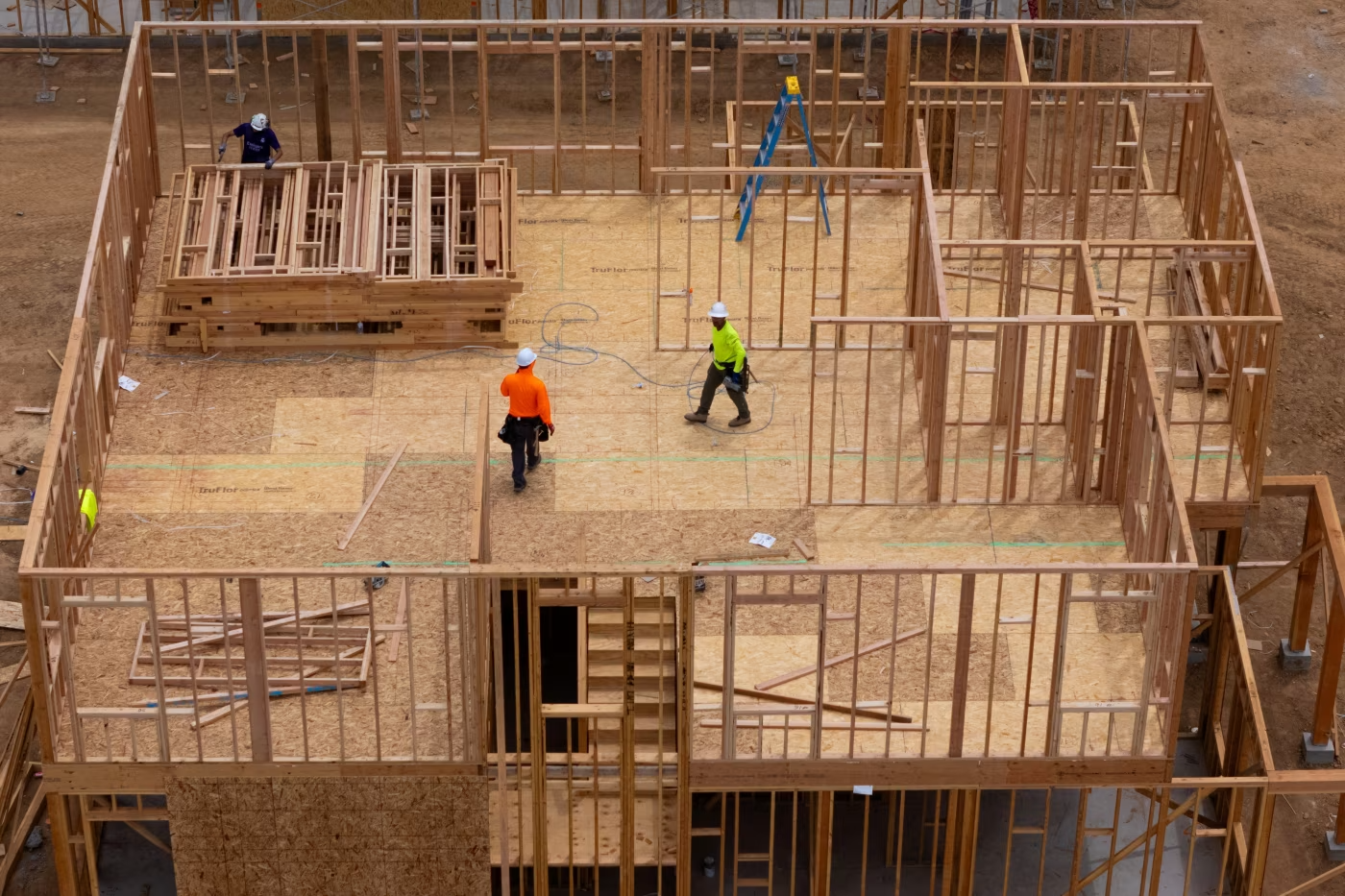
Real estate is constantly evolving. Perhaps it’s the investors who are driving the transformation. While car washes aren’t new, their emergence as an institutional caliber asset class is relatively recent, dating back about 15 years. Industrial Outdoor Storage (IOS) has also recently become a mainstream institutional asset class. Though this product always existed, it wasn’t always seen as a distinct asset class that the largest investors would touch. Other examples include car condos, office-to-multifamily conversions, and the latest trend: build-to-rent (BTR) housing.
BTR involves developing subdivisions of single-family homes intended solely for rental rather than sale. This was an institutionally viable asset class until March 12, 2026, when the U.S. Senate passed the 21st Century ROAD to Housing Act with an 89–10 vote. The bill aimed to help Americans buy homes through two key provisions.
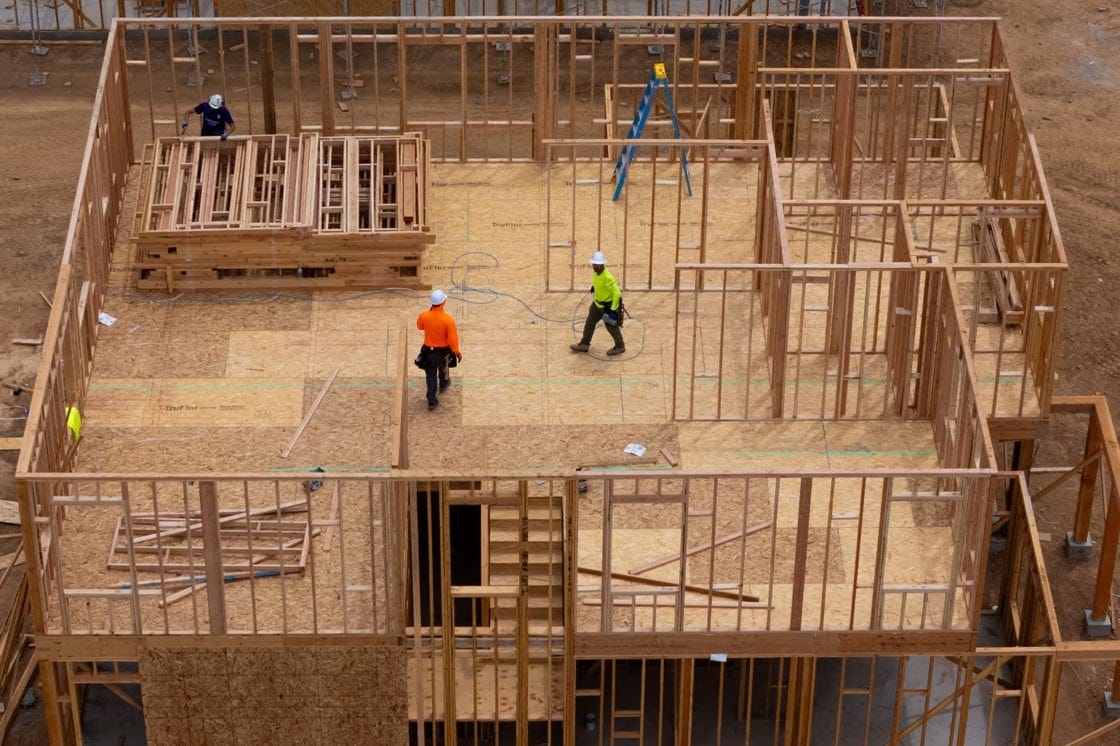
Many build-to-rent firms say they can’t seamlessly pivot to building for-sale homes.
Mike Blake/Reuters
Existing Single-Family Homes
The bill prohibits institutional investors from buying more than 350 single-family homes. These are existing homes in established neighborhoods. Sellers prefer the institutional buyers because they pay cash, close quickly, operate without emotion, and can often pay more due to lower borrowing costs. It’s hard for the first-time borrower (or any borrower) to compete with them. This has undeniably impacted families trying to enter the single-family home market. The character of neighborhoods changes with the rise of renters. They are generally less likely to invest in upgrades, maintain the property’s appearance, or take an active interest in local issues such as crime and development.
New Single-Family Homes
The bill requires BTR developers who build large communities of single-family homes for rent only to sell their homes after 7 years. This fundamentally alters BTR’s investment strategy. Restrictions like this usually end poorly for developers. It takes away control over the timing, and because real estate has cycles, a hard exit date becomes a killer.
I find it difficult to see how this rule directly benefits single-family homebuyers. True, increased demand could drive up labor costs, and since land is finite, the same land could be used to build homes for sale rather than rentals. These are indirect consequences.
BTR also has some indirect advantages for single-family for-sale housing. Roads, utilities, and community amenities like parks need to be paid for regardless of whether the home is rented or sold. More homes sharing the same costs will reduce costs for everyone. More homes also means contractors have more to build, code enforcers get more inspections, landscaping companies have more lawns to mow, and these workers also buy homes. More job opportunities = more income = more home purchases.
For most families, the choice between renting and buying depends on financial and lifestyle considerations. Eliminating BTR communities removes an option, and fewer options are generally not great for an economy built on free-market principles. We still live in a free market economy, right?
I can’t help but question the true intentions behind this bill. But, I bet, that the homebuilders’ lobbyists all got their bonuses this year.
LOAD MORE
