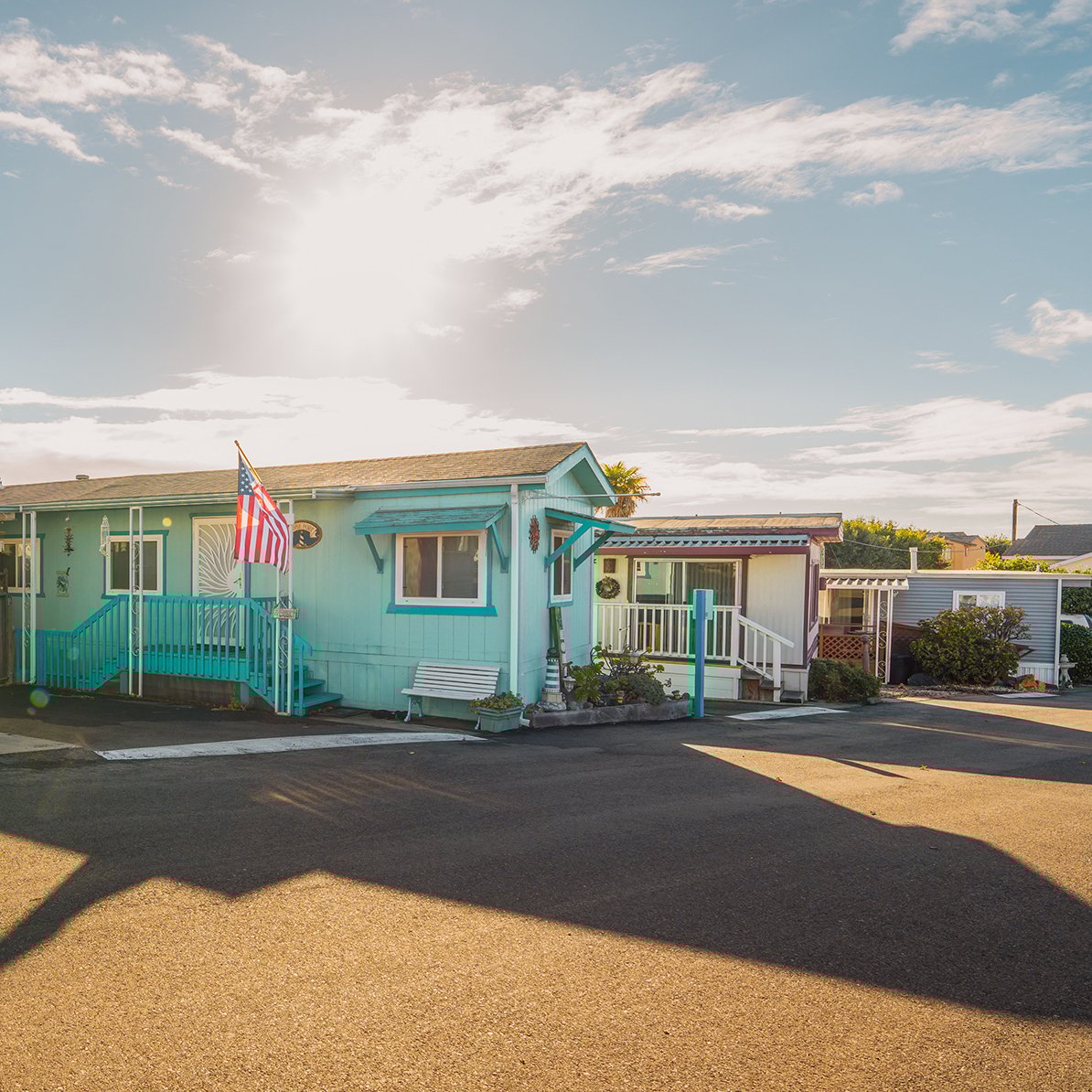
Reading this article caused me some flashbacks to purchasing the Del Rey mobile home park in 2006. To provide some context, it was a 60-acre property developed in the 1960s, and nearly 50 years later, the utilities and roads were in disrepair. We acquired it with only 47 lots rented due to the park’s deteriorating condition. Three years of managing the mobile home park and 38 meetings with the neighbors later, I learned a little something about mobile homes. That was my first experience with mobile homes and the local politicians who opposed redevelopment because the city would lose “affordable housing.” Our plan was to redevelop the property into single-family homes, but it fell through during the Great Financial Recession, like many other developers’ projects at the time. Over the next 10 years, we redeveloped it into a much smaller subdivision of single-family homes, but also integrated garden-style apartments and senior living. It's frankly much more diverse and multigenerational than we ever initially planned.
No surprise that this article portrays private equity as the faceless villain. I work in private equity, and our goal is to generate investor returns, however, we also understand that the worst outcome is raising rents so high that tenants leave. It’s simply bad business.
Two key points stood out to me while reading this article:
First, mobile homes are not affordable housing. I realized this within my first six months at Del Rey. Many of the remaining residents faced a significant issue: their home insurance would drop them if the home was ever moved. They were allowed one move from the sales lot, after that, they were stuck. You move the home, no more insurance and mobile home park owners are not going to let you move in without insurance. Buying a brand-new mobile home is far from affordable housing. A new one costs something like $100,000, lenders charge a double-digit interest rate (because they can), and three years later after making every payment on time, the home is worth $60-75K. Meanwhile, you’re still locked into 20 more years of payments. That feels more like indentured servitude than affordable housing.
The second point is that regulations will only worsen the situation. What private equity firm would invest in a market that limits potential gains and requires navigating numerous obstacles just to sell the park? Park owners will stop improving landscaping, close clubhouses, and begin charging fees for various other items to compensate for rent increase caps. I saw this firsthand when the City of Santa Fe introduced some of the strictest new multifamily regulations in the country. They required a percentage of new units to be priced affordably for those earning 60-80% of the area’s median income. The math didn’t add up for new investments, so what was the result? Absolutely nothing. People continued moving to Santa Fe, no new rental housing was built, and prices skyrocketed.
I'm not against mobile homes. My grandmother lived in one for a few years. However, it shouldn't be considered homeownership. Renting a mobile home on a rented lot can make financial sense, since it's often more affordable than leasing a site-built, single-family home. This option can be financially practical for those looking to save money and want to be disconnected from their neighbors. When you're ready to move, move! You can do so without being tied to a mortgage on a depreciating asset for the next decade.
It's easy to point fingers at private equity, but the real issue is that this is being called affordable homeownership.
 Drew Dolan
September 03, 2024
Drew Dolan
September 03, 2024